Platelets and Other Blood Components Are Always Needed.
One Donation Could Help Save More Than One Life. Be a Hero.
You Have To Be 17 Years of Age or Older To Donate.
FAQs About Platelets
The Liquid Gold Project is a Birmingham-based nonprofit community outreach program. We educate the general public on the role platelet donations play in saving the lives of children with leukemia and cancer, as well as burn and trauma patients and those awaiting open-heart surgeries.
We are committed explicitly to increasing platelet donations through education and community involvement and have received written endorsements from major hospitals in the Birmingham area, such as UAB, St. Vincent’s, Children’s Hospital, and Baptist Health Systems, as well as blood collection agencies like Red Cross and Life South.
Who Needs Platelets?
Patients who have cancer, leukemia, heart surgeries, aplastic anemia, severe burns, trauma accidents, organ and tissue transplants, and other serious diseases need platelets.
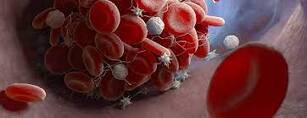
What Are Platelets in Blood?
Platelets, also known as thrombocytes, are small, colorless cell fragments in our blood that play a crucial role in clot formation to stop or prevent bleeding. These platelets are produced in the bone marrow, the spongy tissue found inside our bones. In addition to platelets, the bone marrow also contains stem cells responsible for producing red blood cells, white blood cells, and platelets.
What Are Platelets Used For?
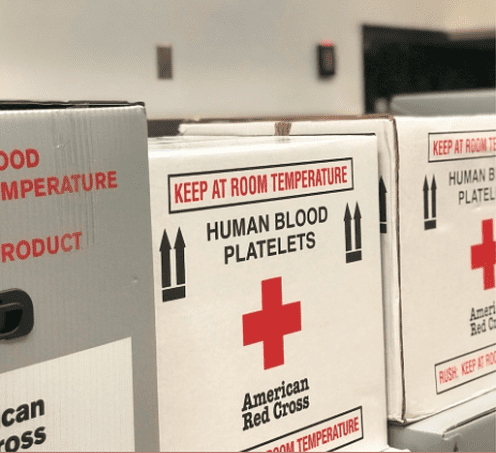
Platelets are essential in raising the patient’s blood platelet count, which helps reduce the risk of dangerous or fatal bleeding. They play a vital role in controlling bleeding in our bodies, making them crucial for surgeries such as organ transplants, fighting cancer, managing chronic diseases, and treating traumatic injuries.
In cases where individuals have thrombocytopenia (a condition where they don’t have enough platelets) or when their own platelets aren’t functioning correctly, donor platelets are administered to supplement their needs.
Good Information for You to Know
What Causes Low Platelets?
Platelets are tiny cells circulating in your bloodstream that affix themselves to the wall of a blood vessel following injury. They are designed explicitly for clotting; they clump together to prevent bleeding. If you have low platelets in your blood, known as thrombocytopenia, your ability to form clots and stop bleeding may be impaired. You must be aware of how your condition affects your overall health and what you can do to stay well.
What Are the Signs of a Low Platelet Count?
Symptoms of a low platelet count may include:
- Increased Bruising or More Severe Scrapes Than Usual
- Small Purple or Red Dots Under the Skin
- Nosebleeds or Bleeding Gums
- Black or Bloody-Looking Bowel Movements
- Red or Pink Urine
- Vomiting with Blood
- Heavy Menstrual Periods
- Severe Headaches

Cancer And Platelets
A low platelet count is a significant side effect of cancer treatment. Some chemotherapy drugs can damage the bone marrow, leading to reduced platelet production (though this is typically temporary). Additionally, certain types of cancer, such as leukemia and lymphoma, can invade the bone marrow, hindering the body’s ability to produce the necessary platelets. Without platelet transfusions, these cancer patients may face life-threatening bleeding.

How Do You Donate Platelets?
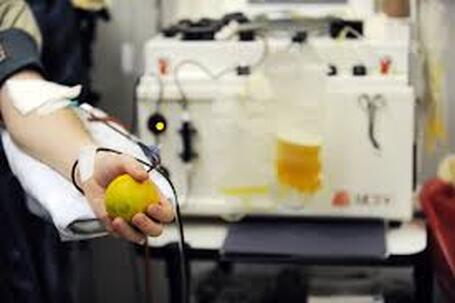
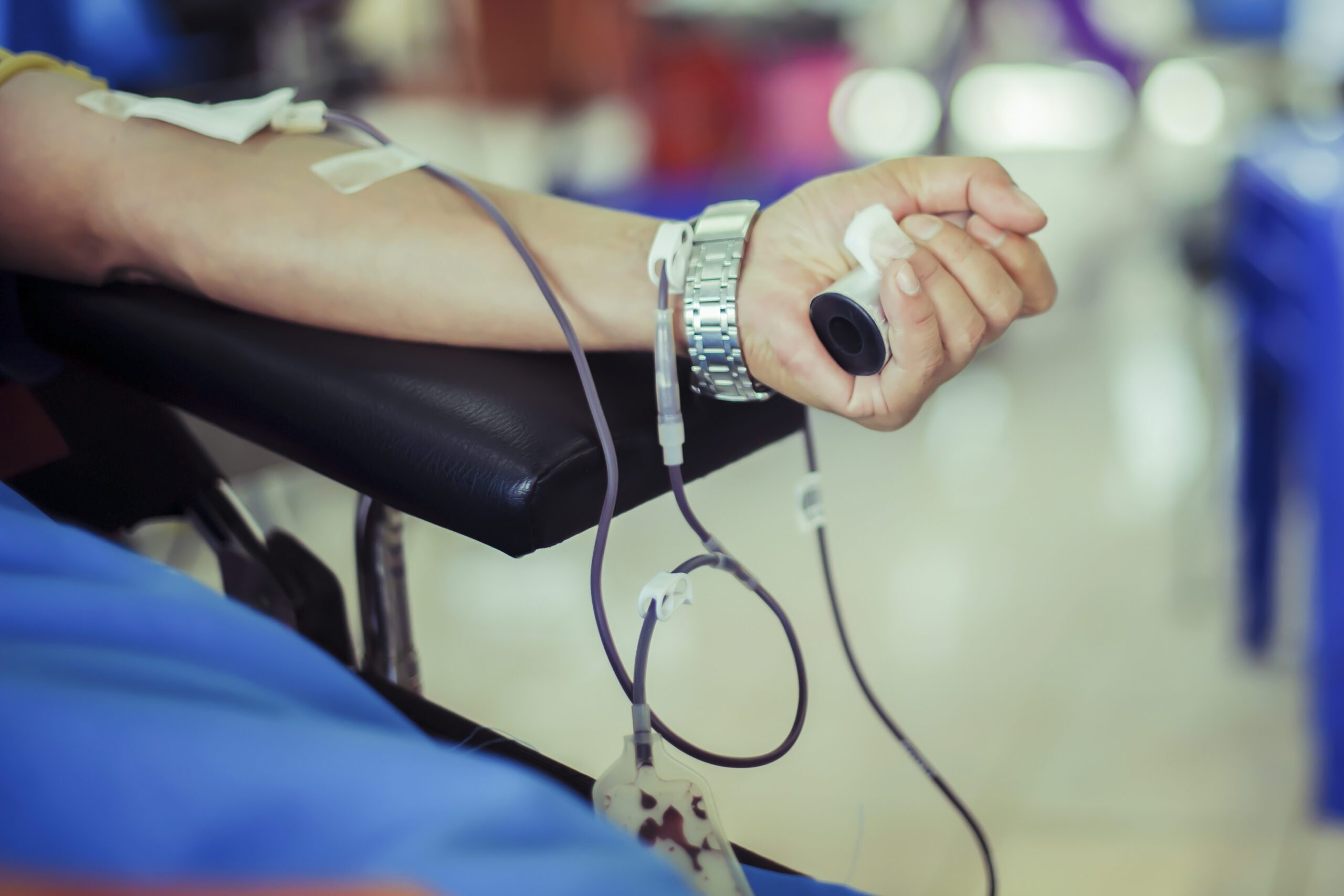
In a platelet-only donation, blood is drawn from your arm and processed through a machine that separates the platelets from other blood components. The blood is then returned to your body through your other arm.
This process is repeated multiple times during the donation. With platelet donation, one donor can provide what would typically require up to five whole blood donations, benefiting as many as three people. It is important to understand the difference between donating platelets and whole blood donation.
Why Are Donations So Important?
Every 15 seconds, someone needs platelets, which amounts to about 2 million units of platelets being transfused annually in the U.S. Due to the limited shelf life of platelets (5 days), a constant supply of platelet donors is crucial. Opting for platelet-only donation enables your generosity to potentially help one, two, or even three patients.
All this information is provided by The American National Red Cross.